Case Studies on Warehouse Automation Innovations
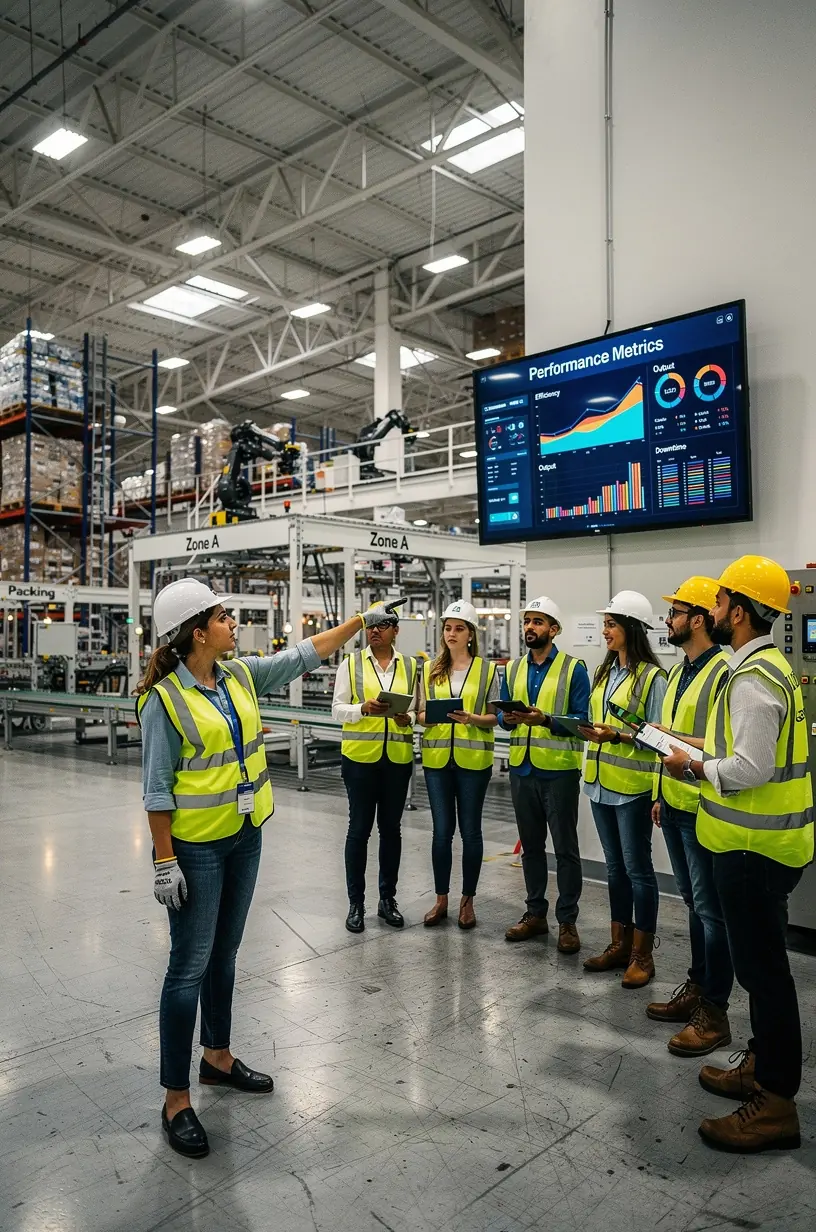
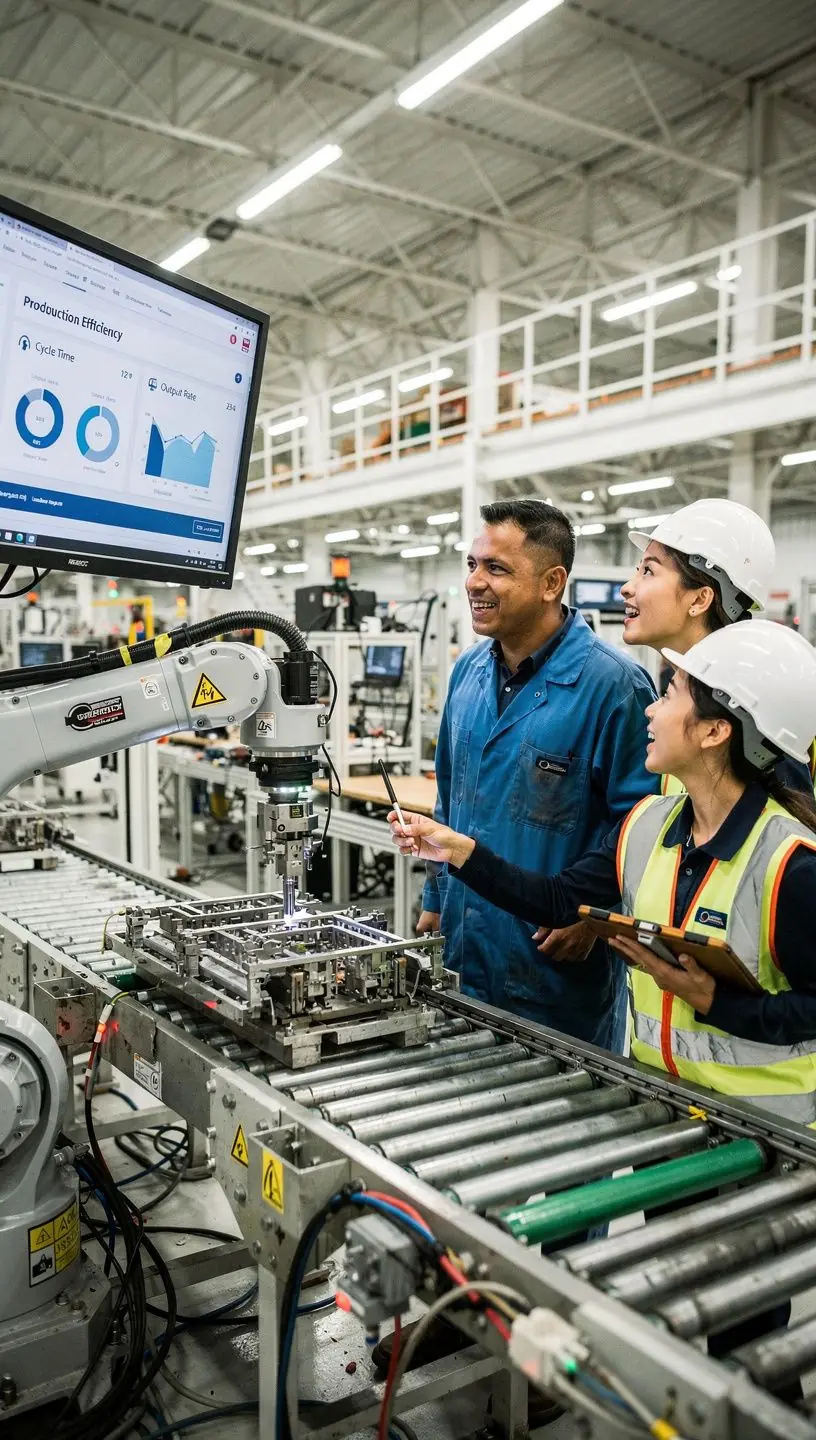
Warehouse automation is transforming the logistics landscape, enhancing efficiency and accuracy. This article explores case studies that illustrate real-world applications of innovative automation technologies in warehouses.
Understanding Warehouse Automation
Warehouse automation encompasses various technologies and processes designed to streamline operations, reduce human error, and improve overall productivity. According to industry experts, implementing automation can lead to efficiency improvements of 30-50% in various warehouse settings.

"Automation is not merely about replacing human labor; it's about reimagining how warehouses operate for greater effectiveness." - Supply Chain Technology Review
Case Study 1: Amazon Robotics
Amazon has integrated robotics into its fulfillment centers, employing thousands of autonomous mobile robots. These robots transport items to human workers who pick and package orders. This approach not only accelerates processing times but also reduces the physical strain on employees. A study from MIT indicates that such systems can improve order fulfillment speed by up to 25%.
Implementation Insights
- Initial investment in robotics can be substantial, but many companies report ROI within 2-3 years.
- Training staff to interact effectively with automated systems is essential and typically requires a few weeks.
- These innovations work best in high-volume environments, where the return on automation is most significant.
Case Study 2: Walmart's Automated Inventory Management
Walmart has adopted automated systems for inventory management, utilizing AI and machine learning to predict stock levels and optimize supply chains. Research suggests that such systems can reduce overstock by 20%, leading to substantial cost savings. The implementation of these technologies has allowed Walmart to maintain a competitive edge in inventory management.
Challenges and Considerations
- Transitioning to automated inventory systems often involves a steep learning curve and requires dedicated staff to oversee the implementation.
- Data accuracy is critical; systems must be regularly updated and monitored to ensure efficacy.
- Works best in conjunction with a comprehensive understanding of existing inventory practices.
Conclusion
The shift towards warehouse automation is evident across various sectors, with significant case studies highlighting both successes and challenges. While automation can lead to remarkable improvements in efficiency and accuracy, it's essential for organizations to approach these innovations with careful planning and a clear understanding of their operational needs. By focusing on realistic implementation timelines and acknowledging the effort required, companies can better prepare for the transformative effects of automation in their warehouses.