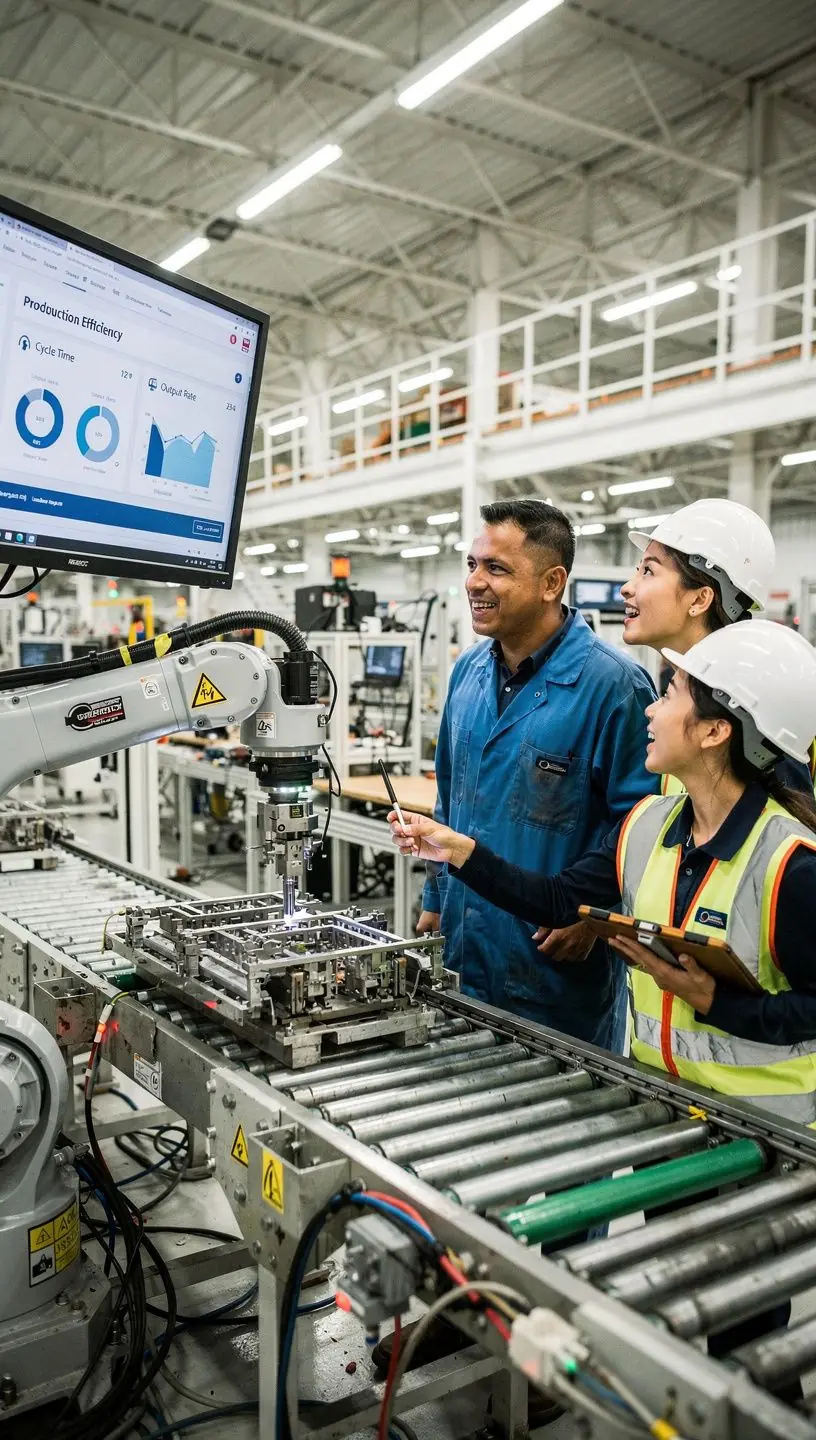
Understanding AI's Role in Process Automation
As businesses increasingly seek ways to enhance efficiency, the integration of artificial intelligence (AI) into process automation has emerged as a significant trend. This article explores the mechanisms behind AI-driven automation and its potential to improve operational outcomes.
Understanding the Basics of AI in Automation
AI is revolutionizing how organizations approach process automation. By leveraging machine learning algorithms and data analytics, companies can streamline operations and reduce manual workloads. Experts suggest that AI can identify patterns and make decisions based on data inputs, often leading to more informed outcomes.

"The implementation of AI-driven automation can significantly enhance decision-making processes, resulting in improved efficiency and reduced errors." - Industry Expert
How AI Enhances Process Automation
AI enhances process automation by:
- Data Analysis: AI systems can analyze vast amounts of data quickly, identifying trends and insights that humans might miss. This capability can lead to more effective resource allocation.
- Predictive Analytics: Automation powered by AI often includes predictive analytics, which can forecast future trends based on historical data. This allows businesses to proactively address potential issues before they arise.
- Continuous Improvement: AI can learn from previous outcomes, adjusting processes to optimize performance over time. Research indicates that organizations using AI-enabled systems maintain a competitive edge through ongoing refinement.
Implementing AI in Automation: Considerations
Implementing AI in automation is not without its challenges. Companies must consider:
- Time Commitment: Typically, integrating AI solutions into existing processes takes several weeks or even months, depending on the complexity of the tasks involved.
- Training Requirements: Employees may need to adapt to new workflows and tools, which involves a learning curve. It is crucial for organizations to prioritize user training to maximize the benefits of AI integration.
- Suitability: AI is most effective in environments with repetitive tasks or large data sets. This means that organizations must assess whether their processes align with AI capabilities.
Conclusion
AI continues to shape the future of process automation by providing organizations with powerful tools to enhance efficiency and decision-making. While the transition to AI-driven processes may require time and effort, the potential benefits are substantial. By focusing on data analysis, predictive capabilities, and continuous improvement, businesses can realize significant operational advantages in the evolving landscape of automation.
Learn More