Lessons from Automated Inventory Management Success
The rise of automation in inventory management has transformed the way businesses operate, especially in the United States. This article explores effective strategies that have led to significant efficiency improvements, providing valuable insights for organizations considering automation.
Understanding the Importance of Automated Inventory Management
Automated inventory management systems can optimize supply chain operations by minimizing human error and enhancing decision-making. According to industry research, businesses that implement automation in inventory management often experience a reduction in inventory costs by 20-30%, allowing for better resource allocation.
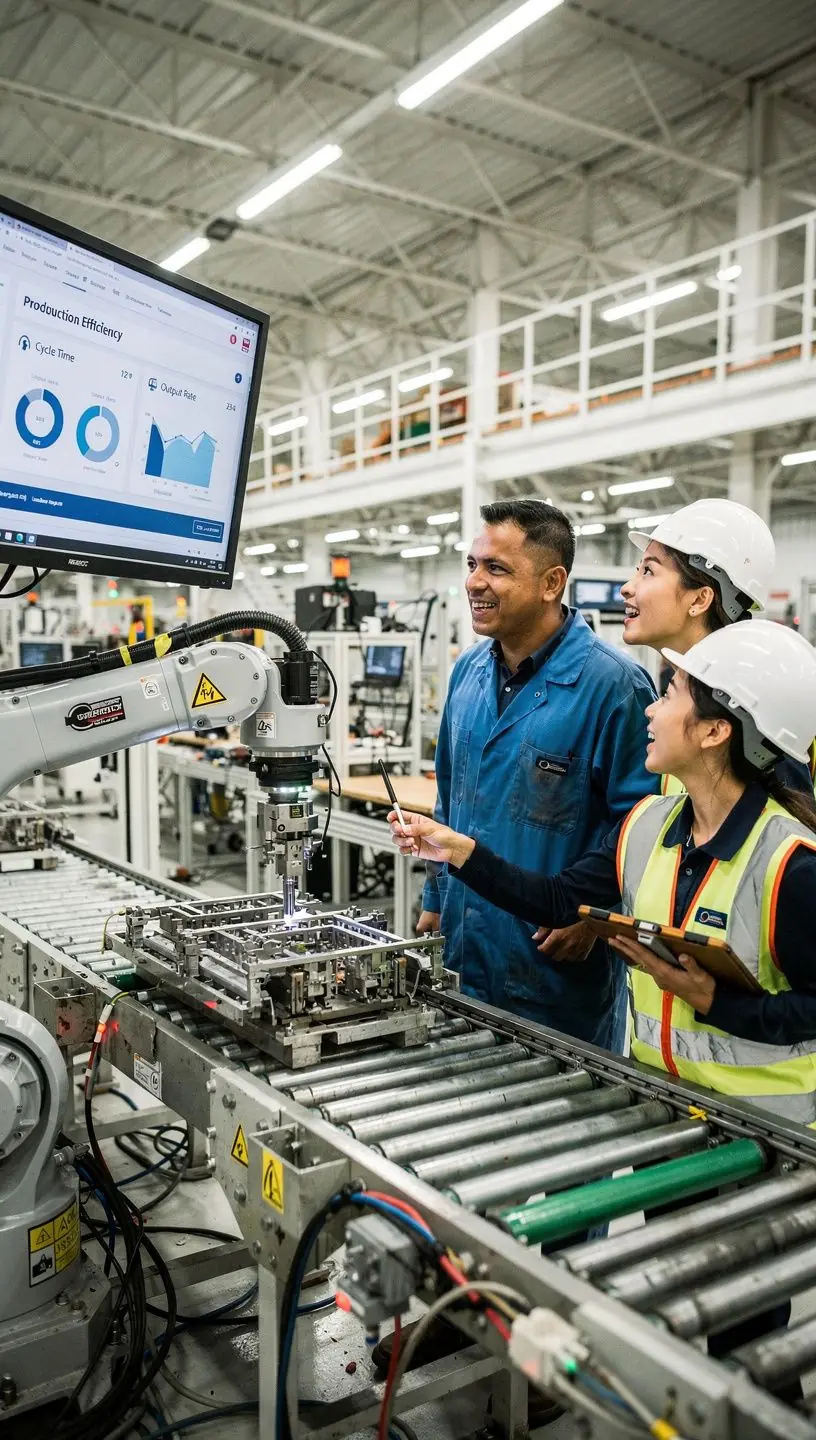
"Automation in inventory management not only streamlines processes but also helps businesses adapt quickly to market demands." - Supply Chain Expert
Key Factors for Successful Implementation
Many organizations have reported success in automating their inventory processes by focusing on several key factors:
- Assessing Current Processes: A thorough evaluation of existing inventory management practices is crucial. This allows businesses to identify bottlenecks and areas for improvement before introducing an automated system.
- Choosing the Right Technology: Not all automation solutions are created equal. Organizations should consider their specific needs and research options that align with their operational goals. Experts suggest selecting systems that offer scalability and integration with existing platforms.
- Training Staff: Even with advanced technology, the human element remains critical. Providing comprehensive training ensures that employees are equipped to utilize the new system effectively, which can lead to smoother transitions and better outcomes.
Measuring Success and ROI
Implementing an automated inventory management system is not a one-time event; it requires ongoing assessment to measure success. Key performance indicators (KPIs) such as inventory turnover rates, accuracy of stock levels, and order fulfillment times should be monitored. Research indicates that organizations that actively track these metrics can see a tangible return on investment within 6-12 months.
Common Challenges and How to Overcome Them
While automation offers numerous benefits, challenges such as resistance to change and initial setup costs can arise. It is important to:
- Communicate the Benefits: Engaging all stakeholders and clearly communicating the advantages of automation helps mitigate resistance. Many users report that understanding the long-term benefits can ease concerns.
- Gradual Implementation: Instead of a complete overhaul, a phased approach often works best. This allows for adjustments based on feedback and helps staff adapt to new systems gradually.
- Seek Expert Guidance: Consulting with industry specialists can provide additional insights and help tailor the implementation strategy to meet specific business needs.
Conclusion
Automated inventory management has the potential to significantly enhance operational efficiency. By understanding the factors that contribute to successful implementation and being mindful of common challenges, businesses can navigate the transition effectively. With careful planning, organizations can expect measurable improvements in efficiency and cost savings, ultimately leading to better overall performance.