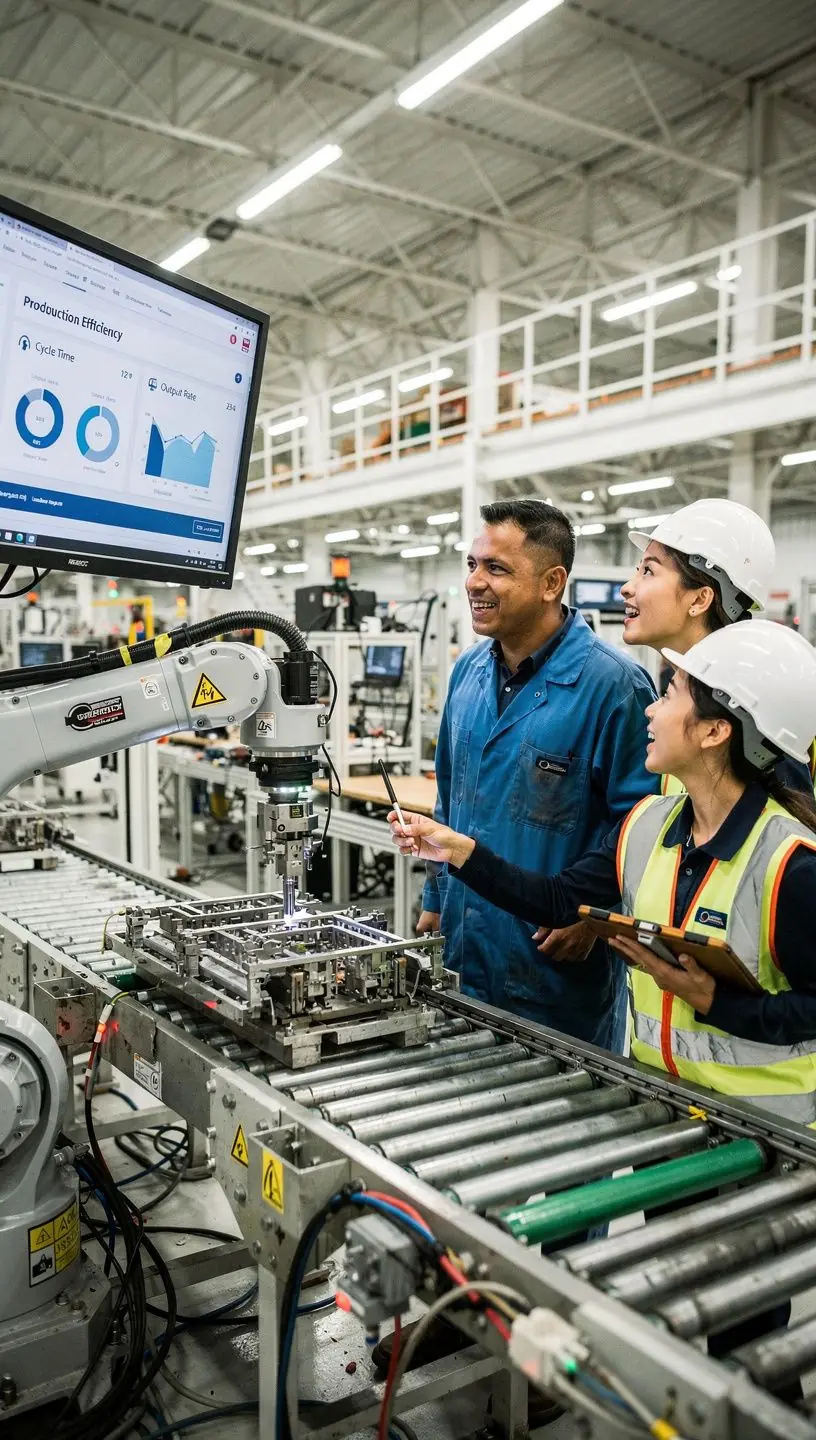
Evaluating the Impact of Robotics in Manufacturing
The integration of robotics in manufacturing has transformed production processes, leading to significant efficiency improvements and cost savings. This article explores the real-world impact of robotics, supported by research and industry practices.
Understanding the Basics
Robotics in manufacturing typically involves the use of automated machines to perform tasks traditionally done by human workers. According to studies, the introduction of robotics can enhance operational efficiency by reducing cycle times and improving product quality. In fact, a report by the International Federation of Robotics indicates that companies adopting robotic automation have reported productivity increases of 20-30%.

"Automation can significantly reduce labor costs and increase output, but successful implementation requires careful planning and integration." - Industry Expert
Key Benefits of Robotics in Manufacturing
- Increased Production Speed: Robotics can operate continuously and at a consistent pace, which often leads to higher output levels compared to manual labor.
- Enhanced Quality Control: Robots can perform repetitive tasks with precision, which minimizes errors and ensures a higher standard of quality in manufacturing processes.
- Improved Safety: By handling hazardous tasks, robotics can reduce workplace injuries and improve overall safety in manufacturing environments.
Challenges to Consider
While robotics can offer numerous advantages, it is essential to acknowledge the potential challenges:
- Initial Investment: The cost of acquiring and implementing robotic systems can be substantial, often requiring a significant capital investment upfront. Studies show that many companies see a return on investment within 2-4 years.
- Skill Gap: Integrating robotics may necessitate upskilling current employees or hiring new talent with expertise in automation, which can be a barrier for some organizations.
- Maintenance and Downtime: Robotics systems require regular maintenance to operate efficiently. Unexpected downtime can negate some of the productivity gains achieved through automation.
Real-World Applications
Manufacturers across various sectors have successfully implemented robotics to streamline their operations. For instance, automotive manufacturers often utilize robotic arms for assembly line tasks, while electronics companies employ robotics for precise component placement. These applications exemplify effective robotics deployment, showcasing how automation can be tailored to meet specific industry needs.
Conclusion
Robotics in manufacturing presents a valuable opportunity for organizations looking to enhance efficiency and productivity. However, it is crucial to approach implementation thoughtfully, considering both the benefits and challenges. By understanding the impact of robotics, businesses can make informed decisions that align with their operational goals and drive long-term success.
Learn More